

Which Budapest Thermal Bath Should You Visit?
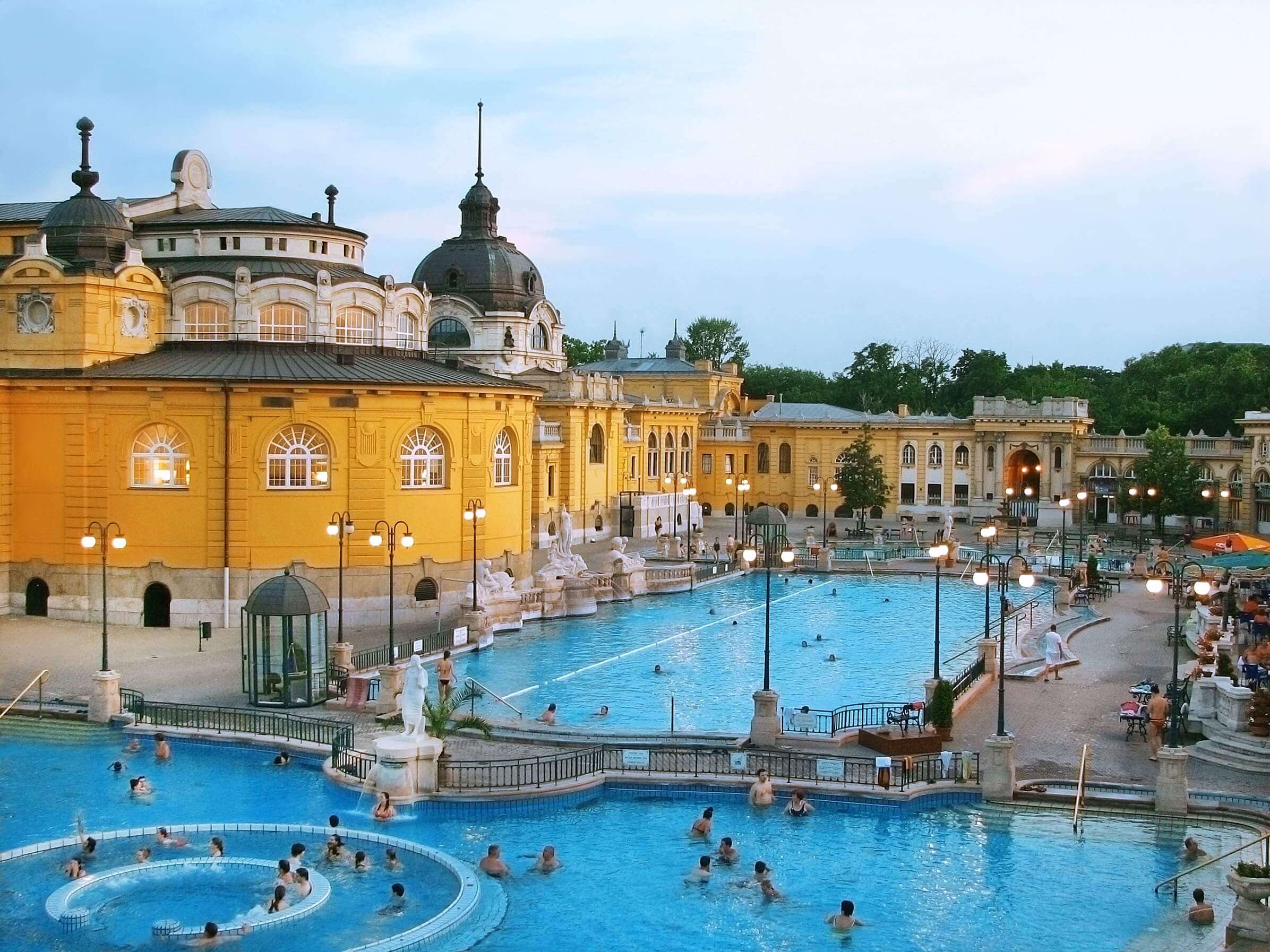
Budapest is famous for its thermal baths, but with more than a dozen bathhouses across the city, choosing which one to visit can feel surprisingly confusing.
Some baths are massive historic complexes filled with outdoor pools and lively crowds. Others are smaller, quieter spaces where the focus is less on spectacle and more on the centuries-old tradition of bathing in mineral-rich thermal water.
Today, the city offers everything from grand architectural landmarks to small historic bathhouses and modern wellness spaces.
Many travelers only visit one bath during their trip, but Budapest’s bathing culture is diverse enough that choosing the right one can make a big difference in the experience.
This guide walks through Budapest’s most famous thermal baths, a few lesser-known alternatives, and the details that can help you decide which experience is right for your visit.
Why Budapest Has So Many Thermal Baths
Budapest sits on top of more than 100 natural thermal springs, producing millions of liters of mineral-rich water every day.
These naturally heated waters have long been believed to offer therapeutic benefits, which is why bathing became an important part of life here.
The Romans built some of the earliest bathhouses in Aquincum, an ancient settlement that once stood in what is now northern Budapest.
Centuries later, during the Ottoman occupation in the 16th century, Turkish bathhouses were built across Buda. Some of these historic Ottoman baths — including Rudas and Király — have survived to the present day, though not all are currently open to visitors due to ongoing restoration projects.
Hungary’s deep connection to its natural landscapes and traditions extends even to its bathing culture.
The result is a bathing culture that blends Roman, Ottoman, and Austro-Hungarian influences, making Budapest one of the most unique spa cities in Europe.
How to Choose the Right Thermal Bath Experience in Budapest
Budapest’s thermal baths may share the same mineral-rich waters, but the experiences they offer can feel very different. Some baths are grand architectural landmarks filled with outdoor pools and lively crowds. Others are quieter historic spaces where the atmosphere feels almost timeless.
Thinking about the type of experience you want can help narrow down your choices.
If you’re looking for the classic Budapest bath experience — large outdoor pools, steaming water in colder weather, and a lively atmosphere — Széchenyi Thermal Bath is the one most visitors picture.
If historic architecture and elegant interiors are what draw you in, Gellért Thermal Bath is known for its Art Nouveau design and mosaic tile surroundings. (At the moment, the baths are closed for renovation until 2028.)
If you’re curious about Budapest’s Ottoman bathing history, Rudas Thermal Bath offers one of the most atmospheric settings in the city, with its domed central pool and rooftop views over the Danube.
Travelers looking for a quieter or more local-feeling spa experience may prefer smaller baths such as Veli Bej or Lukács tend to be calmer and less crowded than the city’s most famous complexes.
For a more modern or playful take om Budapest’s spa culture, options like Thermal BeerSpa inside Lukács Baths or wellness studios such as Hüsi Ice Bath Budapest offer contemporary twists on the Budapest’s bathing culture.
Current Status of Budapest’s Thermal Baths
Budapest is famous for its historic thermal baths, many of which date back centuries. However, ongoing renovation projects mean that not every bathhouse is always open to visitors.
At the time of writing, Gellért Baths, Király Baths, and Rác Baths are currently closed for renovation or long-term restoration. These bathhouses are historically significant and may reopen in the future, but travelers planning a visit should focus on the thermal baths that are currently operating.
Fortunately, several of Budapest’s most well-known baths remain open, including Széchenyi, Rudas, and Lukács, each offering a different style of thermal bathing experience.
Because renovation timelines can change, it’s always a good idea to check the official website for the bath you plan to visit before finalizing your plans.
Most Famous Thermal Baths in Budapest
Most visitors begin with one of Budapest’s three most well-known bathhouses. Each offers a very different atmosphere and experience.
Széchenyi Thermal Bath
Located in City Park near Heroes’ Square, Széchenyi is the largest and most famous thermal bath complex in Budapest.
Opened in 1913, the bathhouse is known for its bright yellow Neo-Baroque architecture, expansive outdoor pools, and large complex of indoor thermal baths, saunas, and soaking areas — making it one of the largest bath complexes in Europe.
For many visitors, soaking in the steaming outdoor pools — especially during colder months — is one of the most iconic experiences in Budapest.
Széchenyi is also one of the most social baths in the city and tends to attract the largest crowds.
Best for
• first-time visitors
• outdoor thermal pools
• lively atmosphere
Gellért Thermal Bath
Located inside the historic Gellért Hotel on the Buda side of the Danube, Gellért Baths are known for their elegant Art Nouveau architecture, colorful mosaic tiles, and grand indoor bathing halls.
Opened in 1918, the bath complex features ornate columns, stained glass windows, and intricately tiled pools that feel more like a historic palace than a traditional spa. The main indoor pool, surrounded by balconies and decorative tilework, is one of the most photographed bathing spaces in the city.
For many visitors, Gellért offers a more refined and architectural experience compared to the larger and livelier atmosphere at Széchenyi.
Unfortunately, the baths are currently closed for renovations until at least 2028, but they remain one of Budapest’s most iconic spa experiences and are expected to reopen once restoration work is complete.
Best for
• architecture and design lovers
• elegant historic interiors
• a quieter, more refined spa atmosphere
Rudas Thermal Bath
Rudas Baths date back to the 16th century during the Ottoman era. The historic bathing hall remains one of the most atmospheric spaces in Budapest. The central thermal pool sits beneath a stone dome punctuated by small skylights, supported by thick columns that create a striking octagonal layout.
The bath complex also includes a rooftop terrace overlooking the Danube, which often gets a lot of attention online. In reality, the rooftop pool itself is much smaller than many visitors expect — closer in size to a large hot tub than a traditional swimming pool. That said, the views across the river toward Pest are still impressive, especially in the evening.
If you’re curious what the rooftop pool actually looks like, I shared a closer look in this Instagram post.
Best for
• Ottoman architecture
• historic atmosphere
• rooftop views of the Danube
Lesser-Known Thermal Baths
While Széchenyi, Gellért, and Rudas tend to get most of the attention, Budapest’s bathing culture extends well beyond the city’s most famous bathhouses. Several smaller baths offer a different atmosphere — quieter, more local, and often deeply tied to the city’s Ottoman history.
These baths may not appear on every travel itinerary, but they often provide a more relaxed experience and a closer look at the historic bathing traditions that shaped Budapest’s spa culture.
Lukács Baths
Lukács Baths is known as one of Budapest’s most therapeutic bathhouses. Historically many visitors came here specifically for the healing properties of the mineral water rather than for leisure.
One unusual feature is the wall of plaques donated by people who claim the waters improved their health. Over the years, visitors who believed the baths helped them recover from illness or injury donated marble plaques expressing their gratitude, creating a fascinating visual record of the bath’s reputation.
While the architecture is simpler than some of Budapest’s grand spa complexes, Lukács tends to attract more locals and fewer tour groups, giving it a calmer and more relaxed atmosphere.
If you’re interested in trying something a little different, Thermal BeerSpa Budapest is located inside the Lukács complex. These experiences combine warm soaking tubs infused with ingredients used in brewing — such as hops and malt — with unlimited beer taps beside the tub.
It’s a much more modern and novelty-driven experience, but it can be fun if you’re looking to try something unusual during your visit.
Good to know
- Located on the Buda side near Margaret Bridge
- Entry is typically slightly less expensive than Széchenyi or Gellért
- Locker or cabin rentals are available
Veli Bej Baths
Veli Bej Baths are one of the best preserved Ottoman bathhouses in Budapest, yet surprisingly many travelers never make it here.
The bath’s central dome features small circular openings that allow natural light to filter through, creating shifting patterns of light across the stone walls and water throughout the day.
Today the bath is operated by a nearby hospital run by the Order of the Brothers Hospitallers, continuing the long tradition of using Budapest’s thermal waters for therapeutic treatments.
Because the complex is relatively small and operated through a nearby hospital, visitor numbers are limited — which often makes the experience feel quieter and more intimate than Budapest’s larger bathhouses.
Good to know
- Typically mid-range pricing
- Smaller bath complex with limited daily capacity
- Often quieter than the city’s major baths
Király Baths
Király Baths date back to the 16th century during the Ottoman occupation. One unusual detail about their construction is they were intentionally built away from the city’s main thermal springs.
The bathhouse was built inside the city walls so residents could still access bathing facilities even during a siege, when travel to the springs outside the walls might have been dangerous.
Inside, the central domed pool and surrounding smaller baths maintain much of their historic character. The lighting is dimmer and the atmosphere more traditional than many of Budapest’s other bathhouses.
Good to know
- Often attracts visitors interested in historic Ottoman baths
- One of the oldest bathhouses in Budapest
- Facilities are simpler than larger baths
Rác Baths
Rác Baths are another historic thermal bath complex in Budapest with roots dating back to the Ottoman era. The bathhouse sits at the base of Gellért Hill and once combined traditional Turkish bath architecture with a later 19th-century spa hotel.
The complex underwent an extensive restoration in the early 2000s and briefly reopened in the 2010s, but it has remained closed to the public for several years due to ownership and redevelopment complications.
While there have been occasional discussions about reopening the baths in the future, Rác Baths are currently not operating and cannot be visited at this time.
Other Baths and Spa Experiences in Budapest
Budapest’s bathing culture continues to evolve, and the city now offers a mix of historic baths, recreation complexes, and modern wellness spaces.
Examples include:
Palatinus Strand Baths
Located on Margaret Island, Palatinus is one of the city’s most popular summer bath complexes, with large outdoor pools and a more recreational atmosphere.
Dagály Thermal Bath
A modern complex along the Danube that combines thermal pools with competitive swimming facilities.
Royal Spa (Corinthia Hotel)
A restored 19th-century spa offering a more traditional luxury hotel spa experience.
Hüsi Ice Bath Budapest
A modern wellness studio focused on cold immersion and contrast therapy.
Beer Spas in Budapest
Budapest also offers several beer spa experiences, where guests soak in tubs filled with warm water infused with ingredients used in brewing.
These experiences are more about novelty and relaxation than historic bathing culture, but they’ve become a fun stop for some visitors.
Beer spas have also become popular in Prague, making them an interesting comparison if you’re visiting both cities on the same trip.
Things to Know Before Visiting Budapest’s Thermal Baths
Budapest’s thermal baths are welcoming to visitors, but a few traditions and logistics can be surprising if you’re not familiar with them.
Some Baths Have Men-Only or Women-Only Days
Several of the historic Ottoman-era baths, including Rudas and Király, still maintain certain gender-specific bathing times during the week.
These traditions date back centuries and are part of the historic bathing culture in Budapest.
Schedules can change, so it’s worth checking the bath’s website before visiting if you want to attend during co-ed hours.
Some Historic Baths Allow Nude Bathing During Gender-Specific Times
During certain men-only or women-only sessions, bathing may be nude or require only a small bathing apron, which is traditional in some Ottoman bathhouses.
During mixed-gender sessions, standard swimwear is required.
If you prefer a fully modern spa experience, baths like Széchenyi tend to feel more familiar to international visitors.
Night Bathing Experiences
Some baths offer special evening or nighttime bathing hours, which can feel very different from visiting during the day.
Rudas Baths, for example, offers late-night bathing on certain evenings, when visitors can soak in the rooftop pool overlooking the illuminated Danube and city skyline.
These evening sessions can create a completely different atmosphere from daytime visits. Some bathhouses also attract a slightly livelier, younger crowd at night, especially on weekends, which can make the experience feel more social than relaxing depending on the time you go.
Locker vs Cabin Rentals
Most baths offer two storage options when you purchase your ticket.
Locker
A smaller storage space with access to a shared changing area.
Cabin
A private changing room that offers more space for belongings and a little more privacy.
Cabins cost slightly more but can be more comfortable if you’re carrying extra items.
Best Times to Visit
Budapest’s most famous baths can become very crowded, especially during weekends and peak travel seasons.
For a more relaxed experience, try visiting:
• weekday mornings
• early afternoon before tour groups arrive
• evening sessions when available
Swim Caps in Lap Pools
Some baths require swim caps in designated lap pools, especially those used for exercise or training.
This rule doesn’t usually apply to the thermal soaking pools, but it’s something to be aware of if you plan to swim.
What to Bring
Most baths recommend bringing a few basic items with you.
• swimsuit
• towel
• flip-flops or sandals
Some baths also have rest areas, cafés, or outdoor spaces, so bringing a light cover-up or robe can make it more comfortable when walking between pools or relaxing outside the water.
If you’re visiting during one of the gender-specific bathing sessions, you may also want a cover-up for moving between areas of the bathhouse.
Many bathhouses do offer rentals for items like towels, robes, or slippers, but rental prices can add up quickly.
Is It Worth Visiting?
Budapest’s thermal baths are more than just places to relax — they’re part of the city’s history, architecture, and everyday culture.
Whether you choose a grand bathhouse like Széchenyi, a historic Ottoman bath like Rudas, or a quieter spa like Veli Bej or Lukács, visiting a thermal bath offers a glimpse into a tradition that has shaped Budapest for centuries.
If time allows, trying more than one bath can reveal just how different each experience can be.