

Kauai Travel Guide: 5-Day Itinerary, Best Beaches, Hikes & Where to Stay
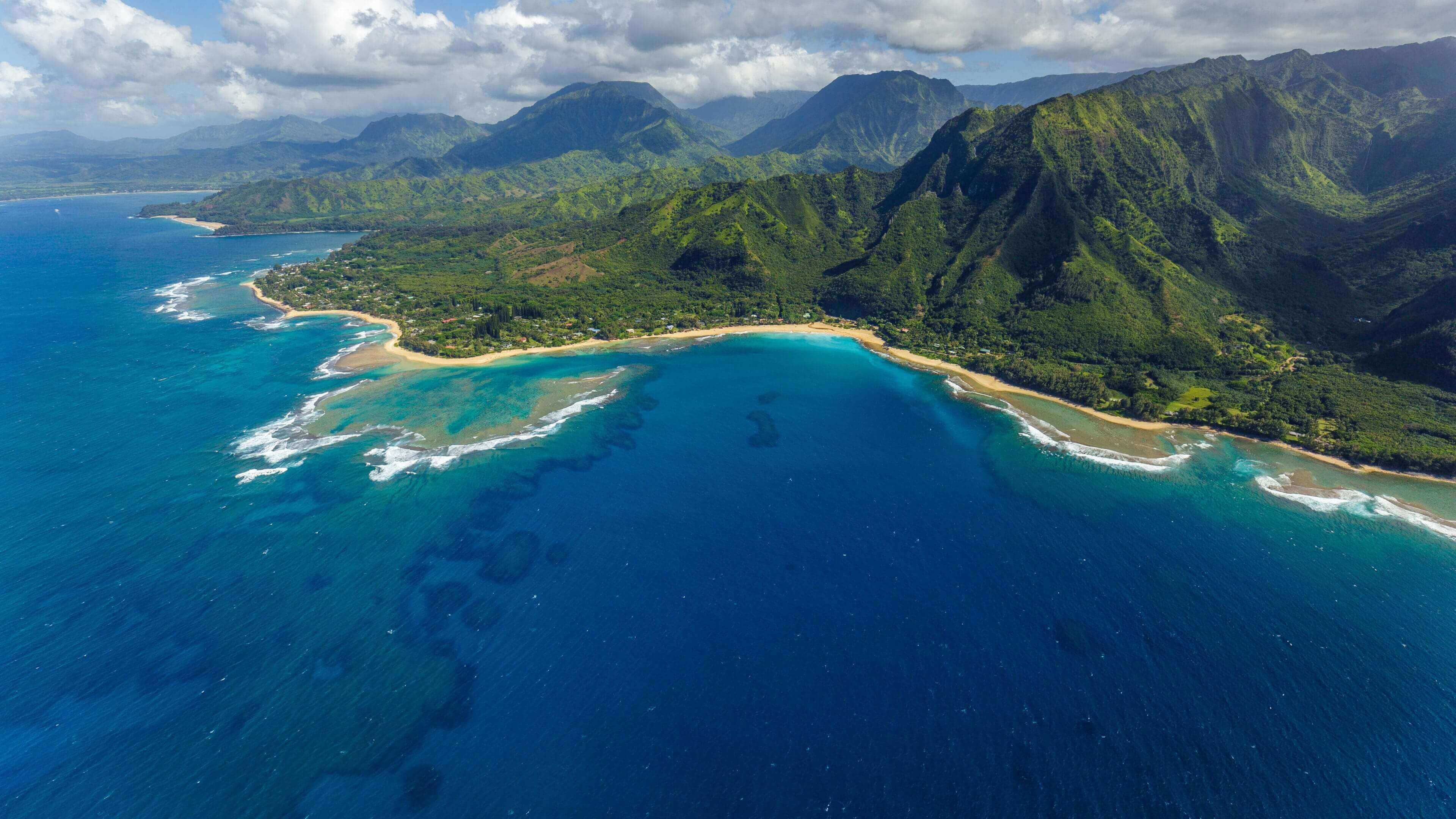
Originally published May 15, 2025 · Last updated July 22, 2026
Editor’s Note: This guide received a major July 2026 update with refreshed booking resources and a rebuilt interactive seasonal planner. Live road and park status now lives in our dedicated Polihale and Hāʻena guides, which we update as conditions change.
I knew I was going to love Kauai. I didn’t expect to feel it the way I did.
I expected beauty, of course, the kind you see on curated postcards and in glossy travel magazines. What I didn’t expect was how deeply the island forces you to slow down, or how often we’d pull our rental car over to the side of the road just to sit quietly and take it all in. The mornings carried a stillness I hadn’t anticipated; the sheer cliffs and plunging valleys were a shade of green so deep it looked almost unreal. Between the framing palm trees, the ocean would appear suddenly against the red dirt roads, making me stare out the window far more than I usually do.
This guide covers our personal 5-day Kauai itinerary. It outlines exactly where to stay, the best beaches and hikes to prioritize, memorable places to eat, and practical, boots-on-the-ground tips to help you plan the right kind of trip for your travel style.
📊 BSF Quick Gauge: Kauai
Deep rugged greens, untamed coastlines, and a quiet, unhurried island pace that forces you to completely slow down.
Premium. Accommodation, fuel, and activities require a healthy budget. Hawaii adds a general excise tax to purchases, and menu prices do not include tax or tip.
US Dollar. Credit cards are ubiquitous, but keep $50–$100 in small bills ($1s, $5s, $10s). You will need cash for roadside fruit stands, food trucks, and tipping hospitality staff.
Expected and essential due to Kauai’s high cost of living:
- Sit-down dining: 18–20% standard
- Tour / Boat / Heli pilots: $10–$20 per passenger
- Valet & Baggage: $2–$5 per car / bag
- Counter service: optional when prompted on screen
Slow and intentional. Kauai is not a late-night island; many kitchens close by 8:30–9:00 PM. Food trucks and poke counters are a huge part of the daytime food scene.
100% rental car dependent. Public transit will not get you to the best trailheads or beaches. A standard car handles most of the island; high clearance only earns its keep on unpaved spurs like the Polihale access road.
Seamless once you reach your resort, but protect your arrival day by bracing for heavy lines at the Lihue airport rental car facility.
Microclimates rule the island. It can pour rain in Princeville while being perfectly sunny in Poipu. Pack a rain shell alongside your swimwear, and always check real-time trail conditions before heading out.
What’s in This Guide
Kauai at a Glance
Kauai is the oldest and northernmost of the main Hawaiian Islands, and you can feel that ancient history etched directly into the landscape. Appropriately nicknamed The Garden Isle, it is defined by dramatic cliffs, incredibly lush valleys, and a raw coastline that still feels largely untouched by time.
Unlike Oahu or Maui, Kauai moves at a genuinely slower, more intentional pace. You will find small, historic towns and scenic turnouts rather than towering high-rises, and spontaneous waterfall detours rather than a bustling nightlife scene. The landscape here completely takes center stage.
Quick Facts
| Age | Approximately 5 million years old (the oldest of the main chain) |
| Size | 552 square miles |
| Population | Approximately 73,000 residents |
| Nickname | The Garden Isle |
| Main Regions | North Shore, South Shore, East Side (The Coconut Coast), and the West Side |
How Kauai Compares to Other Hawaiian Islands
Home to Honolulu, Waikiki, energetic nightlife, and urban convenience. It does the most for the widest variety of travelers.
A luxury resort experience blended with strong outdoor activities. It’s heavily populated and popular for good reason, though you should expect crowds at the major highlights.
A land of dramatic structural contrasts featuring snow-capped volcanoes, stark black sand beaches, and sprawling lava fields. It constantly surprises you with its sheer scale.
Characterized by limited commercial development, sheer sea cliffs, and a quiet pace.
→ GET THE SHAKA GUIDE APP
Best Time to Visit Kauai
Summer (Jul–Sep)
Fall (Oct–Nov)
Winter (Dec–Mar)
Pros
- Lush landscapes at peak green
- Waterfalls flowing at full volume
- Shoulder-season pricing
- Lighter crowds at trailheads and beaches
- Ideal temperatures (mid-70s to low 80s°F)
Cons
- Some variability in North Shore rain
- Spring break crowds in April
- Ocean can be choppy early April
Getting There & Getting Around
Lihue Airport (LIH) is small and relatively laid-back, but your arrival timing matters. Lines can build aggressively later in the afternoon, particularly when multiple flights from the mainland touch down at once.
After collecting your bags, all rental car operations run out of a centralized facility down the road, accessed via a shared shuttle bus.
Our arrival went smoothly, but the rental car center itself was a lesson in island congestion. Lines were wrapped out the door the moment our shuttle dropped us off. By the time we finally got our keys, the queue extended past the covered patio and deep into the parking lot. (This was also our formal introduction to Kauai’s famous wild roosters, who strutted around the rental lot like they owned the place).
We spent just over an hour waiting at the rental center. I tried enrolling in Budget’s Fastbreak loyalty program while standing in line, but it hadn’t processed into the system yet. What ultimately saved the day was having Avis President’s Circle status, which bypassed the main line because the brands are corporate affiliates.
Do You Really Need a Rental Car in Kauai?
| Feature | Exploring with a Rental Car | Traveling Without a Rental Car |
|---|---|---|
| Island Access | Full freedom to visit all remote beaches, hidden trailheads, and canyon viewpoints. | Strictly limited to your immediate resort area or pre-booked guided tours that include transit. |
| Spontaneity | You can pull over for rainbows, roadside fruit stands, and sudden waterfall lookouts on a whim. | Bound to rigid excursion schedules with absolutely zero room for custom detours. |
| The West Side | Absolutely essential. Waimea Canyon and Polihale require independent transit. | Virtually inaccessible outside of expensive, rigid commercial tour buses. |
| Vehicle Type | A Jeep or high-clearance SUV is ideal, especially if navigating the unpaved road to Polihale. | N/A |
| Cost Dynamics | Fuel prices are notably higher than the mainland; fill up the tank whenever you pass a station. | Private excursion and shuttle transport costs add up rapidly across 5 days. |
We opted to rent a Jeep, the unofficial vehicle of Kauai. They are everywhere, and for good reason. The high clearance gives you peace of mind on the island’s unpaved, rugged roads.
Where to Stay in Kauai: North Shore vs. South Shore
Where you choose to drop your bags will completely shape the flow of your trip. For a 5-day stay, the choice comes down to the North Shore versus the South Shore.
| Feature | North Shore (Princeville / Hanalei) | South Shore (Poipu / Koloa) |
|---|---|---|
| The Scenery | Dramatic, razor-sharp green cliffs, lush valleys, and recognizable backdrops like Hanalei Bay. | Sunnier, beautifully manicured, classic resort strips, and wide, golden beaches. |
| Drive Times | Approximately 1 hour down to the South Shore’s dining scene and sunnier beaches. | Approximately 1 hour up to the major North Shore trailheads and Hanalei town. |
| Lodging Style | Heavy concentration of vacation rentals and high-end, cliffside ocean-view luxury properties. | A strong mix of luxury resorts, accessible beachfront condos, and walkable dining options. |
| The Weather | Receives significantly more rainfall, particularly during the winter months (which keeps it so brilliantly green). | Generally consistent sunshine and warmer, drier conditions year-round. |
| Best For… | Travelers planning to spend most of their time on North Shore trails and wanting a remote, jungle feel. | Travelers prioritizing resort amenities, easy beach lounging, and a central hub for dining. |
📍 Why We Made the South Shore Our Base, and Who It Suits Best
We chose the South Shore for the logistics: it is consistently sunnier, central for island-wide day trips, and moves to an entirely different, sun-drenched rhythm than the lush, rainy North. However, because it is the main hub of tourism on the island, most travelers make the mistake of sticking strictly to the resort paths and manicured pool decks. In doing so, they completely miss the area’s deep cultural roots and hidden coastal pockets.
The South Shore rewards anyone willing to step past the strip malls and look for the history hiding in plain sight. Here are some of the unmissable cultural markers, ancient sites, and wild trails sitting right in your backyard:
- Kāneiʻolouma Heiau: You will likely drive past this every single day without realizing it. Located directly across the street from the bustling Poipu Beach Park, this is a massive, highly significant 13-acre ancient Hawaiian village site dating back to the mid-1400s. Decades of dedicated local restoration work have uncovered ancient fishponds, taro fields, and striking 16-foot Kiʻi (wooden statues) that watch over the coastline.
- The Mahaʻulepu Heritage Trail: If you want to escape the resort crowds without a brutal, high-elevation trek, walk past the Grand Hyatt to Shipwreck Beach. This trail snakes for 2 miles along the last completely undeveloped, wild stretch of coastline on the South Shore. You’ll hike past ancient limestone sand dunes, active blowholes, and jagged cliffs. (If you’re visiting in the winter, this is also one of the premier shore-side whale-watching vantage points on the island).
- Prince Kūhiō Birthplace & Park: Tucked quietly along Lawai Road, this oceanfront sanctuary marks the birthplace of Prince Jonah Kūhiō Kalaniānaʻole, one of the most revered figures in modern Hawaiian history, who fought in the US Congress to preserve sacred lands for native Hawaiians. It’s the perfect, peaceful spot for a mindful morning coffee walk before the island wakes up.
- Old Kōloa Town: Just five minutes inland from the beaches, the landscape shifts from modern luxury to historic plantation life. The towering, weathered stone chimney of the Old Koloa Sugar Mill (dating back to 1835) marks the literal birthplace of Hawaii’s commercial sugar industry. Walk the historic wooden boardwalks to grab fresh shaved ice, browse local boutiques, and feel the old-school plantation rhythm that shaped the island’s multicultural community.
👉 Want the full cultural deep-dive, trail guides, and local food finds for the South Shore? Read our complete, standalone guide: The Unfiltered Guide to Kauai: Why the South Shore Simply Works.
The Perfect 5-Day Itinerary
Over five unhurried days, we balanced rugged canyon overlooks, North Shore hiking, a doors-off helicopter tour, and relaxed, sunlit evenings on the South Shore. Here is how to build the same trip.
Day 1: Arrival, Acclimation, & Sunset Dinner
South Shore▼
“Sitting right at the water’s edge as the sun melted completely into the Pacific horizon felt like a sacred way to start the journey. We didn’t need to be anywhere else.”
Day Highlights
- Scenic first drive from Lihue Airport to the South Shore
- Check-in at Koloa Landing Resort
- Evening walk through the tropical resort grounds
- Sunset dinner at The Beach House, right at the water’s edge
Plan Ahead
- Reserve The Beach House in advance: oceanfront tables book fast
- Pick up groceries at Safeway or Big Save in Lihue on your way in
- Day 1 is intentionally slow, so resist the urge to add activities
We kept our first day intentional: arrive, settle into the resort, and let the slow pace of the island set the tone. The drive from Lihue Airport down to the South Shore provided my very first look at Kauai. The mountains were draped in a deeper, more imposing green than I had ever pictured; the rich red dirt lined the roadsides, and the ocean flashed brilliant blue between clusters of coconut palms. I found myself silently staring out the window, processing how beautiful it was.
After checking into our room at Koloa Landing Resort, we walked the manicured tropical grounds to shake off the flight and ease into the island rhythm. For dinner, we headed to The Beach House, a classic Kauai oceanfront staple. Sitting right at the water’s edge as the sun melted completely into the Pacific horizon felt like a sacred way to start the journey. We didn’t need to be anywhere else.
Day 2: The North Shore & The Reality of the Trail
North Shore▼
“The trail doesn’t have to be completed to be incredibly meaningful.”
Day Highlights
- Morning drive up the North Shore with scenic valley stops
- Hanalei Town: local market energy, lunch at Kalypso
- Kalalau Trail into Hāʻena State Park
- Keʻe Beach swim + Maniniholo Dry Cave
- Dinner at Duke’s near Lihue
Plan Ahead
- Hāʻena State Park permits release exactly 30 days out, so set an alarm
- Shuttle from Waipa is required during peak season; no private vehicles into the park
- Order the coconut shrimp at Kalypso; it was excellent
Our shuttle reservations for the highly restricted Hāʻena State Park weren’t until the afternoon, so we took our time driving north, stopping whenever a roadside valley view caught our eye. When we rolled into Hanalei, the town square was alive with a local surfboard swap meet. Vintage and modern boards lined the grass, locals were laughing and catching up, and acoustic music drifted through the air. It felt authentically, beautifully local.
We originally intended to grab a bite at Hanalei Bread Company, but the line wrapped entirely around the building. Pivoting smoothly, we walked into Kalypso next door, a breezy, casual spot that turned out to be the perfect place to let the afternoon unfold. Order the coconut shrimp; it was excellent.
In the afternoon, we boarded the Waipa Shuttle into Hāʻena State Park to step onto the legendary Kalalau Trail.
An insider note from my heart: I am currently rebuilding my physical strength after undergoing cancer treatment. A mile into the trek, my body signaled that it was time to turn around sooner than I had planned. Stepping off that path before finishing wasn’t an easy choice to make mentally. But looking out at the dramatic, soaring green cliffs, the violent waves crashing into the rocks far below, and the thick jungle swallowing the mountains behind us, I realized the view was already more than enough. Having a partner who supported that decision without a second thought made it easy to appreciate what we were gaining in that moment, rather than focusing on what we weren’t finishing. The trail doesn’t have to be completed to be incredibly meaningful.
We cooled off in the waters of Ke’e Beach, explored the mouth of the massive Maniniholo Dry Cave right across the road, and drove down to Duke’s near Lihue for a late dinner. With surfboards lining the walls, a vintage boat mounted upside down on the ceiling, and a multi-story waterfall tumbling directly inside the dining room, it felt like the ultimate tribute to classic Hawaiian surf culture.
Day 3: The Ultimate Helicopter Splurge & Local Brews
Lihūe / Nā Pali▼
“Neither of us said much up there. There was too much to take in to talk over it.”
Day Highlights
- Breakfast at Hanalei Bread Company (return trip, worth every minute of the line)
- Pre-flight lunch at Nā Pali Brewing Co.
- Doors-off Hughes 500 helicopter tour
- Over Mount Waiʻaleʻale, Manawaiopuna Falls, Nā Pali Coast, and Waimea Canyon
Plan Ahead
- Book the helicopter 4–6 weeks out; it sells out a full month in advance
- Review your operator’s weight limits and camera policy before booking
- Arrive at check-in early; operators enforce their cutoff times strictly
This was our designated splurge day, and without question, it became the experience we still talk about most.
We kicked off the morning by returning to Hanalei for a successful breakfast stop at Hanalei Bread Company (the morning line was manageable and absolutely worth the return trip). We then made our way back south toward Lihue for our afternoon flight, stopping for a quick pre-flight lunch at Nā Pali Brewing Co.
We booked a doors-off tour on a Hughes 500, a specialized 4-passenger helicopter. The prep is more involved than you might expect: you arrive early, watch a lengthy and genuinely informative safety video, stow everything you brought, and purchase a phone lanyard if you didn’t bring one. When it’s time, two team members assist you into the helicopter and get you buckled in. The only instruction inside the aircraft, beyond the warning to keep your hands and everything else inside, is how the communication system works with the headsets. From the moment we lifted off, it was just us and the open air.
The flight path took us deep into Mount Wai’ale’ale, over Manawaiopuna Falls (the famous waterfall from Jurassic Park), along the sheer face of the Na Pali Coast, and down the center of Waimea Canyon. I was lucky enough to be seated right up front next to the pilot. My husband, who is openly not a fan of heights, was strapped in directly behind me. At one point mid-flight, I quietly lifted my phone camera to check on him through the screen: part loving reassurance, part permanent digital documentation of his bravery.
Hovering inside the crater of Mount Wai’ale’ale, one of the wettest places on earth, gave immense context to why these valleys are so impossibly green. Staring down at Manawaiopuna Falls from a completely open aircraft felt entirely surreal; the scale of the island is impossible to comprehend until you are suspended directly in front of it. The wind was roaring and intense, and the views were overwhelmingly beautiful. Neither of us said much up there. There was too much to take in to talk over it.
Weight limits, check-in cutoffs, and camera policies vary by operator, so confirm them directly when you book. Our Kauai Helicopter Tours guide covers what to expect from the premier operators we researched.
Day 4: Waimea Canyon, Historic Hanapepe, & Polihale
West Side▼
“We counted exactly three other people on the entire stretch of beach. It was just us, the wind, the crashing surf, and that rare feeling of standing somewhere that still feels completely wild.”
Day Highlights
- Hanapepe Town: swinging bridge, galleries, and Shaka Pops at Aloha Spice Company
- Waimea Canyon Drive (Red Dirt Falls, multiple overlooks)
- Polihale State Beach: miles of empty sand at the edge of the Nā Pali cliffs
- JoJoʻs Shave Ice in Waimea Town on the drive back
Plan Ahead
- Start early; it is a long drive day across the West Side
- Fill up on gas before heading west; stations are limited past Waimea Town
- Road and park access changes often out west; check the Waimea Canyon road closure callout in the Master List and our Polihale guide before you go
- Confirm your rental agreement covers unpaved roads before attempting the Polihale access road
We left early with hot coffee in hand, navigating toward the rugged northwest coast.
Our first stop was the historic town of Hanapepe. We walked across its famous swinging wooden bridge, browsed quiet local art galleries, and made an unplanned stop at the Aloha Spice Company for Shaka Pops: handcrafted tropical ice pops made in small batches on Kauai from local and organic fruit. We had spotted Japanese Grandma’s Café along the main strip but it hadn’t opened yet for the day, so it went on the list for next time. It’s a lovely, colorful town that served as the design inspiration for Disney’s Lilo & Stitch, an easy and rewarding detour.
From there, we wound up the mountain to Waimea Canyon. The view is staggering: deep, rich red earth carved into heavily layered cliffs, contrasted against sharp green ridgelines and a brilliant blue sky. We paused at Red Dirt Falls on the way up and hopped out at multiple designated lookouts. What stood out most was the shifting color palette; each overlook felt completely unique from the last. The early pullouts give you everything you need for panoramic views, but if you have a full day, the trails in Kōke’e State Park go much deeper.
Then, we tackled the road to Polihale. The unpaved access road is severely rutted, bumpy, and slow. Driving it, I couldn’t help but wonder if its rough reputation is exactly what keeps the massive crowds away. When we arrived, the beach was an absolute dream. It was miles of blindingly white sand stretching as far as the eye could see, colliding directly into the giant cliffs of the Na Pali coast to the north. We counted exactly three other people on the entire stretch of beach. It was just us, the wind, the crashing surf, and that rare feeling of standing somewhere that still feels completely wild.
On the long drive back down, we stopped at JoJo’s Shave Ice in Waimea town. After a hot, dusty afternoon exposed to the sun, a massive shave ice was exactly what the soul needed.
Day 5: Slow Brunch, Local Brews, & Heading Home
South Shore▼
“Five full days gave us just enough time to feel how distinct each region of the island is. It felt like a full, deeply restorative trip rather than a rushed check-list vacation.”
Day Highlights
- Brunch at Break + Feast in Old Koloa Town (pulled pork benedict over focaccia)
- Final wander through Old Koloa Town plantation storefronts
- Last slow drive along the Poipu coastline
- Farewell pint at Kauai Beer Company, 10 minutes from the airport
Plan Ahead
- Allow at least 2–2.5 hours at Lihue Airport for the multi-step departure process
- Kauai Beer Company is the perfect final stop; itʻs right on the way to the airport
- Gate areas at LIH have air conditioning; the rest of the airport does not
We dedicated our final morning to an unhurried, slow pace on the South Shore.
We had brunch at Break + Feast in Old Koloa Town. Do yourself a favor and order the pulled pork benedict served over fresh focaccia. It is the kind of savory, rich dish you will find yourself thinking about months after you return home. (Local coffee tip: The restaurant only serves French press inside, so grab an iced latte from the specialty café in the same shopping center and bring it over with you).
We wandered through the plantation-era storefronts of Old Koloa Town one last time, took a final slow drive around the Poipu coastline, and stopped at Kauai Beer Company near the airport for a casual farewell pint before checking in for our flight. Five full days gave us just enough time to feel how distinct each region of the island is. It felt like a full, deeply restorative trip rather than a rushed check-list vacation.
Accommodation Spotlight: Koloa Landing Resort
We pick a base the same way we plan a day: by asking what the property actually has to do for the itinerary. For a five-day trip built on long drives north and west, we wanted three things: a central South Shore location, villa-style space with a real kitchen and laundry, and grounds quiet enough to decompress in after full days out. Koloa Landing delivered all three, which is why it earns a spotlight here rather than a passing mention.
The honest tradeoff: it does not sit on a swimmable beach. Poipu Beach Park is minutes away and the complimentary shuttle makes evenings out effortless, but if stepping from your room straight onto sand is your non-negotiable, a beachfront property will suit you better. If space, quiet, and a self-catering setup matter more, read on.
Koloa Landing Resort
✓ On-Site Verified
The moment we pulled our Jeep up to the entrance, we were greeted with fresh leis: mine woven from fragrant purple and white flowers, and my husband’s crafted from smooth, traditional black kukui nut beads. Waiting in our room was a welcome gift of local chocolates and macadamia nuts. Small, intentional touches that set a welcoming tone immediately.
Mornings here felt slow in the best possible way: sipping coffee out on the private lanai, watching the palm trees sway in the trade winds, with nowhere urgent to be. The property feels much more like a secluded botanical retreat than a high-density, commercial resort.
Property Highlights
- The Pools: A massive, lagoon-style pool system complete with rushing waterfalls and roaring evening firepits.
- The Rooms: Exceptionally spacious villas and suites equipped with highly functional kitchenettes or full kitchens, plus an invaluable in-unit washer and dryer.
- The Lanais: The ground-floor units open directly into dense, lush greenery, offering private glimpses of the ocean through the tropical foliage.
- The Shuttle: A complimentary local shuttle service; they give you a small black card with a number to call for a pickup, making dining out in the evening completely effortless.
- The Location: Exceptionally positioned just minutes away from The Shops at Kukui’ula, Poipu Shopping Village, and historic Old Town Koloa.
Best For: Couples seeking physical space and quiet privacy; families who appreciate the cost-saving benefit of full kitchens and in-unit laundry; and travelers who want luxury resort amenities without the claustrophobic atmosphere of a high-rise hotel block.
The Master Directory of Things to Do
Note: Hours, prices, and availability change seasonally. Always confirm directly with the venue before your visit.
Some experiences show both 🟩 Free and 🔴 Paid icons. This means the location itself is free to visit, but there may be a cost to park or obtain a required entry permit. Our dedicated Kauai Luʻau Guide and Kauai Waterfall Playbook each include a full breakdown of pricing and reservation details.
The Kalalau Trail (Hāʻena State Park)
The first 2 miles to Hanakāpīʻai Beach deliver sweeping, sheer coastal views and a steady, rocky elevation gain. Even a short distance onto this path is worth the effort.
✓ On-Site Verified
Nā Pali Coast Boat / Catamaran Tour
The sea-level perspective of the Nā Pali cliffs is completely different from, and every bit as essential as, the aerial view. Morning catamaran tours offer the calmest water conditions and best visibility into sea caves and cascading waterfalls. This is one of Kauai’s definitive experiences.
📋 Curated Selection
Ke’e Beach
Reef-protected and beautifully calm during the summer months. It pairs naturally with a morning hike on the Kalalau Trail. Hāʻena State Park access fees and advance reservations apply.
✓ On-Site Verified
Hanalei Bay & Historic Pier
A wide, dramatic crescent shoreline framed by a majestic mountain backdrop and the long, historic Hanalei Pier. One of the most recognizable views in all of Hawaii. Well worth stopping just to walk the soft shoreline or watch the local surfers catch waves.
✓ On-Site Verified
Maniniholo Dry Cave
A wide, massive ancient lava tube sitting directly across the highway from Hāʻena State Park. Zero hiking required and easily walkable. Adds an incredible layer of geological texture to your North Shore day with minimal physical effort.
✓ On-Site Verified
Queen’s Bath
A spectacular natural tidal pool carved into black lava rock just north of Princeville. Historically used by Hawaiian royalty, it offers an extraordinary swimming experience in crystal-clear water during calm summer conditions. Typically accessible in summer only (Jun–Sep).
📋 Curated Selection
Kīlauea Point National Wildlife Refuge & Lighthouse
Kauai’s northernmost tip, where a dramatic rocky headland drops straight into the Pacific. The historic Daniel K. Inouye Kīlauea Lighthouse has stood here since 1913, and the surrounding refuge is home to thousands of seabirds: red-footed boobies, great frigatebirds, Laysan albatross, and the Nēnē, Hawaii’s state bird and the world’s rarest goose. During winter months, humpback whales pass below. Green sea turtles and Hawaiian monk seals are visible year-round.
✓ On-Site Verified
Waimea Canyon State Park
Known globally as the Grand Canyon of the Pacific. Deep red earth, layered clay cliffs, and waterfalls cutting through every bend. Dramatic views are visible right from the main roadside lookouts. Note: A parking and entrance fee applies for non-residents.
✓ On-Site Verified
Polihale State Park
Miles of wild white sand flanked by the dramatic falling cliffs of the Nā Pali coast. Virtually no one there when we visited.
→ Discover the sacred history and spiritual significance of Polihale
✓ On-Site Verified
Hanapepe Town
Features a historic wooden swinging bridge, local art galleries, and hand-painted outdoor murals. It served as the design inspiration for Disney’s Lilo & Stitch. An easy, rewarding detour on your way up to Waimea Canyon, and it comes with some of the best food stops on the West Side. See our dining picks below.
✓ On-Site Verified
Hanapepe Art Night
Every Friday evening, the normally sleepy historic town of Hanapepe comes alive with local artists, creators, and food trucks opening their doors simultaneously. If you are on-island on a Friday, walking this town while it is buzzing is worth planning your week around. One of Kauai’s most authentic experiences.
📋 Curated Selection
Glass Beach (Port Allen)
A unique shoreline made of millions of smooth pieces of sea glass formed from decades of ocean tumbling, in hues of deep green, brown, and frosted white. Not a swimming beach, but worth a quick detour if you’re near the harbor. Admire the glass, take photos, but leave it in place.
✓ On-Site Verified
Spouting Horn Blowhole
A natural blowhole where ocean swells force water bursting upward through an ancient lava tube. Easy, paved viewing area.
✓ On-Site Verified
Shipwreck Beach (Keoneloa Bay)
A dramatic stretch of white sand with powerful shorebreak, rugged sea cliffs, and sweeping South Shore views. Far better for walking, watching surfers, and photography than swimming. Spectacular at sunrise, and the trailhead for the Mahaʻulepu Heritage Trail, one of the best coastal walks on the island.
✓ On-Site Verified
Mahaʻulepu Heritage Trail
A flat, 4-mile coastal walk starting at the eastern edge of Shipwreck Beach. Most visitors stop at the sand and never find this trail, which means you’ll have ancient lithified limestone cliffs, sea caves, hidden pocket beaches, and the best sea turtle viewing on the South Shore almost entirely to yourself.
✓ On-Site Verified
Old Koloa Town
A beautifully preserved stretch of historic plantation-era storefronts, local eateries, and a relaxed, walkable atmosphere. Packed with great coffee shops and boutiques, an easy spot to combine with a casual lunch.
✓ On-Site Verified
Doors-Off Helicopter Tour
The absolute best way to see Kauai’s vast, inaccessible interior. Reveals hidden waterfalls and deep Na Pali valleys completely unreachable by road or trail. The 4-passenger doors-off configuration is the gold standard.
We flew with Airborne Aviation, an extraordinary experience. They have since suspended operations, so our current operator picks are in the Booking Essentials toolkit, matched by flight style and safety record.
✓ On-Site Verified
Traditional Island Luʻau
A luʻau is one of the most distinctly Hawaiian evenings you can have: kalua pig roasted in an underground imu, open bar, live hula, fire-knife dancing, and cultural storytelling you won’t find anywhere else. Kauai has six options, each with a completely different personality: oceanfront sunsets in Poipu, theatrical productions at a plantation estate, family-run gardens on the Wailua River, and a fire-focused show on the North Shore.
Note that some luʻau offer tiered experiences. Lūʻau Kalamākū at Kilohana Plantation, for example, has a standard buffet option and a premium Manor House package with a gourmet four-course dinner, champagne toast, and reserved front-of-stage seating. Worth knowing before you book.
Book 4–6 weeks out minimum. These sell out. We learned that the hard way.
→ Our featured Kauai luʻaus compared: price, setting, imu ceremony & who each show is best for
📋 Curated Selection
Wailua River Kayaking & Secret Falls
A half-day adventure where you kayak the calm Wailua River, dock, and hike through the jungle to Uluwehi (Secret Falls), a 120-foot cascade hidden so deep in the interior that the only way in is on foot after crossing the river. One of the most talked-about experiences on the East Side.
→ Book the Wailua River Kayak to Secret Falls
📋 Curated Selection
Mountain Tubing with Kauai Backcountry Adventures
Float through the historic sugar plantation canals and hand-carved rock tunnels in the lush interior of the island. A completely unique Kauai experience that most visitors overlook entirely. Ideal for a rest day when you want adventure without a strenuous hike.
→ Book the mountain tubing float: canals, tunnels & jungle interior
📋 Curated Selection
Hidden Valley Falls Kayak & Hike
A 3.5-hour guided tour that puts you on the water before most visitors have finished breakfast. You paddle a tandem kayak 2 miles down the Hule’ia River through the protected Hule’ia National Wildlife Refuge, past the ancient Alekoko (Menehune) Fishpond and through the same lush jungle greenery used as filming locations for Jurassic Park and Raiders of the Lost Ark. From the riverbank, a 0.75-mile rainforest hike leads to Hidden Valley Falls and a natural swimming pool with an optional rope swing. The return trip is on a motorized Hawaiian canoe, no paddling back upstream.
→ Book the Hidden Valley Falls kayak & hike
📋 Curated Selection
Lydgate Farms Chocolate Tour
A highly rated, educational, and delicious branch-to-bar chocolate tasting tour on the east side. One of Kauai’s most unique agritourism experiences, excellent for families and food lovers who want a deeper look at what the island grows.
→ Book the Chocolate Farm Tour
📋 Curated Selection
Wailua Falls
A spectacular, towering double waterfall visible directly from a convenient roadside lookout. No hiking required.
→ Full waterfall guide: locations, timing & photography tips
✓ On-Site Verified
Coco Palms Resort (Historic Site)
The legendary 1950s Polynesian resort made famous as the filming location of Elvis Presley’s Blue Hawaii (1961), and the birthplace of the Hawaiian torch-lighting ceremony now performed at resorts across the islands. Category 4 Hurricane Iniki devastated it in 1992 and it sat derelict for over three decades. A $400 million restoration is currently underway to rebuild it as a 350-room resort. Located in Wailua, approximately 10 minutes north of Lihue.
📋 Curated Selection
Hawaii Movie Tour
A guided tour that takes you to over 40 filming locations across Kauai used in Jurassic Park, Raiders of the Lost Ark, Pirates of the Caribbean, Blue Hawaii, and dozens more. Your guide plays scenes from each film on board as you arrive at the exact location where they were shot. One of the most memorable and genuinely entertaining ways to see the island’s interior, particularly rewarding for film lovers who might not connect otherwise with a standard scenic tour.
→ Book Hawaii Movie Tour
📋 Curated Selection
🌊 The Kauai Waterfall Playbook
Kauai’s interior is one of the wettest places on earth, carving out some of the most dramatic cascades in the Pacific. Whether you are looking for a zero-effort roadside photo op or a muddy, earned jungle trek, Kauai has you covered. Waterfalls are one of my love languages, and this island spoke it all week.
- The Zero-Effort Icon: Wailua Falls drops a dramatic 80+ feet right at the edge of a paved roadside guardrail.
- The Hidden Vantage: Deep roadside jungle loops where you stand right at a guardrail, enveloped entirely by a lush green canopy.
👉 Want the exact locations, effort ratings, safety warnings, and secret swimming holes for the island’s best cascades? Our standalone Kauai Waterfall Playbook: A Chaser’s Guide covers every fall from zero-effort roadside icons to the ones only a helicopter can reach.
Best Beaches Breakdown
Best for Snorkeling
Tunnels Beach (Makua Beach)
Offers some of the finest snorkeling in Hawaii when summer ocean conditions are calm. The dramatic peak of Mount Makana makes it visually striking from the sand. Note: Roadside parking is highly limited; arrive early.
✓ On-Site Verified
Ke’e Beach
A reef-protected basin that is calm and clear in the summer. Requires advance Hāʻena State Park reservations to access.
✓ On-Site Verified
Best for Scenic Walks & Wild Views
Shipwreck Beach
Rugged coastal cliffs and crashing shorebreaks. Gateway to the Mahaʻulepu Heritage Trail and our absolute favorite spot for a sunrise walk.
✓ On-Site Verified
Polihale State Park
Miles of completely uncrowded, wide white sand backed by desert dunes and towering mountains. Zero shade and no lifeguards; go for the rugged solitude, not swimming.
✓ On-Site Verified
Secret Beach (Kauapea)
Requires a brief but steep, unmaintained hike down through the trees, rewarding visitors with massive expanses of sand and a straight-on view of Kilauea Lighthouse across the water. The effort-to-reward ratio here is exceptional.
📋 Curated Selection
→ READ THE FULL POLIHALE GUIDE
The Classic Hawaiian Setting
Hanalei Bay
A massive, crescent-shaped bay backed by emerald green mountains veined with waterfalls. Watching the sun go down from the historic pier during golden hour is a quintessential Kauai memory.
✓ On-Site Verified
Anini Beach
Often overlooked in favor of Hanalei, Anini has the longest and widest fringing reef in Hawaii, creating a calm, shallow lagoon that is perfect for paddleboarding and spotting sea turtles.
📋 Curated Selection
Best for Families & Gentle Swimming
Poipu Beach Park
Naturally sheltered swimming area and active lifeguards on duty. One of the most reliable spots to spot endangered Hawaiian monk seals resting on the warm sand. Please respect all posted wildlife boundaries.
✓ On-Site Verified
Lydgate Beach Park
Man-made rock breakwaters keep ocean currents completely out, creating a giant, calm saltwater pool ideal for toddlers and young snorkelers. The park is also home to the Kamalani Playground, a massive, community-built wooden play structure that is genuinely one of the most elaborate children’s play areas in Hawaii. Excellent restroom facilities and ample parking throughout.
✓ On-Site Verified
Best Hikes Breakdown
| Trail Name | Difficulty | Distance | Trail Notes |
|---|---|---|---|
| Hanalei Pier Walk ✓ On-Site Verified |
🟩 Easy | Custom | 💡 Firsthand ExperiencePostcard mountain-and-ocean views with zero physical effort. The perfect end-of-day stroll. |
| Mahaʻulepu Heritage Trail ✓ On-Site Verified |
🟡 Easy–Moderate | 3–5 miles | 💡 Firsthand ExperienceTerrain near Shipwreck Beach features uneven limestone rock and minor sand scrambling. Feels far more adventurous than the label suggests. |
| Kalalau Trail to Hanakāpīʻai Beach ✓ On-Site Verified |
🟡 Strenuous Moderate | 4 miles | 💡 Firsthand ExperienceWe turned back roughly a mile past the beach. Steady, slick climbs, muddy footing, exposed cliffside drops. The intense tropical humidity makes this feel significantly more grueling than a standard “moderate” trail. Listen to your body. |
👉 Our full Kauai Hiking Guide, coming soon, will break down difficulty ratings and parking pass requirements for these three trails and more, including Sleeping Giant, Kuilau Ridge, Canyon Trail to Waipoʻo Falls, Full Kalalau Backcountry, Awaʻawapuhi & Pihea, and Kalepa Ridge. We also share flash flood protocols, which can change a trail’s safety status without warning, particularly on the North Shore.
Where to Eat in Kauai
Oceanfront & Destination Dining
The Beach House
An unbeatable setting for a golden hour dinner. Tables look directly out over the water. Phenomenal cocktails and beautifully prepared, fresh local seafood.
✓ On-Site Verified
Duke’s
An open-air Kalapaki Beach landmark. Interior features waterfalls cascading into pools alongside vintage surf memorabilia. You cannot leave without ordering a slice of their famous Hula Pie (macadamia nut ice cream over a chocolate cookie crust, smothered in hot fudge). Massive. Meant for sharing.
✓ On-Site Verified
Atmospheric Island Eats
Keoki’s Paradise
Located within the Poipu Shopping Village, but the moment you step inside, the clever landscaping transforms it into a hidden jungle. Open-air, filled with winding paths, tropical plants, and flickering tiki torches. On a Sunday evening, we were treated to something entirely unplanned: a gentleman playing traditional Hawaiian music and two women performing a graceful hula among the bamboo and the torchlight. It was one of those quiet, unexpected moments that ends up defining a trip.
✓ On-Site Verified
Eating House 1849
Located in The Shops at Kukui’ula. Blends plantation-era culinary history with modern island flavors. We had the best fish of the entire trip here, a glazed butterfish that practically melted on the fork. Polished, professional, yet wonderfully relaxed.
✓ On-Site Verified
Japanese Grandma’s Café
A beloved Hanapepe institution serving beautifully crafted Japanese cuisine: specialty rolls, sashimi, wonton tacos, and fresh poke, all made with local ingredients and no MSG. Reservations are strongly recommended; it fills quickly with both locals and visitors. Hours: Lunch 11 AM–3 PM, Dinner 5–9 PM (closed Tuesday). If you pass through Hanapepe in the morning, save it for the return.
📋 Curated Selection
Brunch & Casual Stops
Break + Feast
Order the pulled pork benedict served on thick, warm focaccia. It’s an absolute standout meal. Note: Interior coffee is French press only, so grab an espresso drink from the café next door and bring it over to your table.
✓ On-Site Verified
Hanalei Bread Company
A beloved local hub for fresh organic pastries, artisanal breakfast sandwiches, and strong espresso. Expect a morning line wrapped around the building. We came back on Day 3 and it was entirely worth the wait.
✓ On-Site Verified
Kalypso
A breezy, casual, open-air spot right in the heart of the town square. Our spontaneous pivot when the Hanalei Bread Company line was too daunting on Day 2, and the crispy coconut shrimp made it a great decision.
✓ On-Site Verified
Koloa Fish Market
A legendary local takeout counter serving authentic poke bowls and massive Hawaiian plate lunches. Highly recommended by residents; we ran out of time on this trip, but it is firmly on our next-visit list.
📋 Curated Selection
Da Crack
A popular, casual walk-up window serving massive custom burritos and tacos that locals consistently rave about. Also held over for our next visit.
📋 Curated Selection
The Musubi Truck Koloa
My husband, the designated foodie researcher on this trip, had this on the list before we left. We ran out of time, but it has not left the list. They park on the grassy lawn at the old Plantation Shops building near the Poipu–Koloa Road intersection, right next to Fathom Five Divers. Musubi is the quintessential Hawaiian grab-and-go: Spam, rice, and nori pressed together and eaten like a portable snack. A well-executed version from a dedicated local truck is a must-try on the next visit.
📋 Curated Selection
Coffee Worth Seeking Out
Eden Coffee
A specialty coffee trailer parked right near Da Crack. Excellent lattes in a quintessential Kauai setting; expect local chickens to wander past your feet while you wait.
✓ On-Site Verified
Java Kai
Bright, energetic, and consistently excellent. A lively café with a great morning buzz; the perfect spot to fuel up before a long drive.
✓ On-Site Verified
Dark Horse
A slightly more modern, minimalist aesthetic. Excels at unique, specialty crafted espresso drinks, a fantastic alternative if Java Kai has a long queue.
✓ On-Site Verified
Shave Ice & Local Treats
JoJo’s Shave Ice
Giant, intensely colorful shave ice made with organic local fruit syrups. Traditional style with a scoop of macadamia nut ice cream at the bottom, or clean without it. The ultimate reward after a long afternoon hiking or in the sun.
✓ On-Site Verified
Shaka Pops
Handcrafted tropical ice pops made in small batches right on Kauai, using local and organic fruits. While the brand originated on Maui, Shaka Pops expanded to Kauai and now handcrafts their all-natural frozen treats here on the island. Find them at the Aloha Spice Company in Hanapepe, as well as at local grocery stores, markets, and partner businesses across the island. The strawberry banana is worth seeking out.
✓ On-Site Verified
What to Expect: Departing from Lihue
Leaving Kauai isn’t quick, and it’s definitely not air-conditioned. Here’s what we learned.
The departure process at Lihue Airport (LIH) has three separate steps for flights heading back to the mainland:
Every bag, checked and carry-on, must pass through a scanner for fruit, plants, and other restricted agricultural items. Once inspected, your bag receives an agriculture clearance sticker.
At the airline counter, agents will confirm your bags have already cleared agricultural inspection before issuing bag tags and boarding passes.
After tagging your bags, you physically carry them to a separate luggage drop area before heading to security.
We arrived around noon and the full process, from agricultural inspection through TSA PreCheck, took about 1 hour and 15 minutes. Having PreCheck helped, but it was still a workout in the heat.
One thing to know: we made the mistake of heading straight to the airline counter before completing agricultural screening. That meant stepping out of the check-in line and walking back to the inspection area, which added meaningful time. Agricultural inspection first. Always.
What We Would Do Differently
- Enroll in rental car loyalty before we left home, not in line at the counter. We tried to sign up for Budget Fastbreak while standing in the rental car queue at Lihue, hoping to shortcut the wait. It hadn’t processed into the system yet. The only thing that saved us was having Avis President’s Circle status as a corporate affiliate, which let us skip the main line entirely. Lesson: link your loyalty membership number to your reservation before you step onto the airplane. It costs nothing and it can save your entire first afternoon.
- Do agricultural inspection first at departure. Always. We headed straight to the airline counter at Lihue Airport before completing the required agricultural screening, and had to step out of the check-in line and walk back to the inspection area. That mistake added meaningful time in the midday heat. The correct order is: agricultural inspection → check-in → bag drop → security. We’ve now written it on a sticky note for the next trip.
- Leave a full morning for the Māhāʻulepū Heritage Trail. We squeezed it in after a late lunch and felt rushed the entire time. It is a flat, beautiful 2-mile coastal walk along the last undeveloped stretch of South Shore coastline: ancient dunes, blowholes, dramatic cliffs. It deserves an unhurried early-morning start when the light is best and the path is nearly empty.
- Actually eat at Koloa Fish Market. We ran out of time on this trip. Three locals independently mentioned it in the same week. On the next visit, it is the first stop after landing.
Kauai Culture & The Quirks of the Law
Hawaii has a living cultural identity that runs far deeper than a lei greeting at the airport. On Kauai, you are walking land that Hawaiian families have stewarded for over a thousand years, and a handful of the laws here will genuinely catch mainland visitors off guard. Some are written. Some are unwritten. All of them are worth knowing before you land.
The foundational Hawaiian principle: the land is not a resource to be consumed, it is an ancestor to be cared for. Stay on marked trails, pack out everything you bring in, and leave every site exactly as you found it. Not as a courtesy but as a baseline expectation.
If you are invited into a local home, or a vacation rental with a local host, shoes come off at the door without being asked. Brought over from Asian and Pacific Islander communities, it is now a universal everyday courtesy across Kauai households.
Pinky and thumb extended, other three fingers curled, wrist loose. It means aloha, thanks, hang loose, and you’re good, all at once. When a local waves it at you from a pickup truck on a single-lane bridge, wave it back. You just made a friend.
If you encounter a hula performance at a cultural gathering or local event, it is living history and cultural preservation, not entertainment. Watch quietly, put your phone down, and pay genuine attention. The stories being told in movement are often centuries old.
Heiau (ancient temples), burial grounds, and stone platforms are not photo backdrops. Do not climb on them, move rocks, or leave offerings unless you are practicing Hawaiian tradition. Disturbing a heiau is a violation of state law.
Acting with integrity toward people, land, and community. You will see it on signs, in businesses, and in how locals carry themselves. It is the quiet social contract of the island and the best single word for how to show up as a visitor.
-
1
Don’t touch the honu. The Hawaiian green sea turtle is federally protected under the Endangered Species Act. Getting within 6 feet is illegal; touching one carries fines up to $50,000. If one surfaces near you while snorkeling, stay still and let it decide how close to get. -
2
Reef-safe sunscreen is required by state law. Hawaii banned oxybenzone and octinoxate sunscreens in 2021, the first state to do so. Bring mineral (zinc oxide) sunscreen from home. Non-compliant products can be confiscated and are increasingly hard to find on-island. -
3
Leave the lava rocks, and the sand, and the coral. Removing natural material from Hawaii’s beaches and parks violates both state and federal law. Beyond the legal risk, locals will mention Pele’s Curse: the belief that taking volcanic rock brings misfortune home with you. Hawaii Volcanoes National Park receives hundreds of returned rocks by mail every year from visitors who swear it’s real. -
4
No drinks on most beaches. Open alcohol containers are banned by county ordinance at Poipu Beach Park, Lydgate, Hanalei Bay, and most public beaches. This catches a lot of first-time visitors off guard. Keep it at the resort lanai. Enforcement is real. -
5
Drones are almost always illegal on Kauai. Na Pali, Waimea Canyon, Hanalei Valley: nearly every dramatic viewpoint sits within restricted airspace, a wildlife refuge, or a state park with an outright ban. Check FAA B4UFLY before you unpack. Federal fines are steep and rangers do cite people. -
6
Hawaiian monk seals require a 150-foot buffer. One of the most endangered marine mammals on earth. If one is resting on the beach, keep your distance and keep others back too. A resting monk seal is conserving energy it cannot afford to waste. -
7
Bring your own bag. Hawaii was the first state to ban single-use plastic bags at checkout. Toss a reusable tote in your carry-on before you leave home and you will never notice it. Forget it and you will be paying for a paper bag at every stop for a week.
Don’t Make This Mistake
These are firsthand mistakes we actually made on this trip that cost us time, access, or a better experience.
Other Common Pitfalls to Avoid
These are the practical things that catch first-time visitors off guard, and they vary in how badly. A few will genuinely derail your day if you’re not prepared. The rest just create stress you don’t need. All of them are easy to sidestep once you know.
BSF Booking Essentials
🧰 Book the Bed, the Bird’s-Eye View & the Best Night Out
▼
A note on the air tours: the operator we flew with has since closed, so these picks come from safety records and deep research rather than repeat rides. Firsthand notes will follow our next visit.
Kauai Trip Planning: Frequently Asked Questions
Inspired by This Guide?
You’ve seen how I’d experience Kauai. Now let me plan yours.
The recommendations you’ve found here are just the starting point. I’ll personalize them around your travel style, accommodation preferences, dining priorities, and the experiences that matter most to you. Instead of spending hours researching and coordinating every detail, you have a thoughtfully planned itinerary that’s ready for you to enjoy.
Choose Trip Design if you’d like a custom itinerary you book yourself, or Dream to Done if you’d like me to handle every reservation from start to finish.
From where to stay and what to eat to itinerary ideas and hidden gems, these guides will help you confidently plan a trip that’s uniquely yours.
The Kauai Waterfall Playbook →
The Complete Kauai Luau Guide →